You apply for financing. Maybe it is for a car, a mortgage, or even business funding. You feel confident. You have been making payments on time and keeping balances low.
Then the denial comes.
The reason? A collection account you do not even recognize.
This is what many people are now calling phantom debt. It is debt that quietly appears on your credit report without you actively realizing it was there. And it is becoming more common in today’s subscription-based, Buy Now Pay Later economy.
What Exactly Is Phantom Debt?
Phantom debt usually starts small. It might be:
- A forgotten streaming subscription
- A final utility bill after you moved
- A small medical copay you thought insurance handled
- A missed gym membership payment
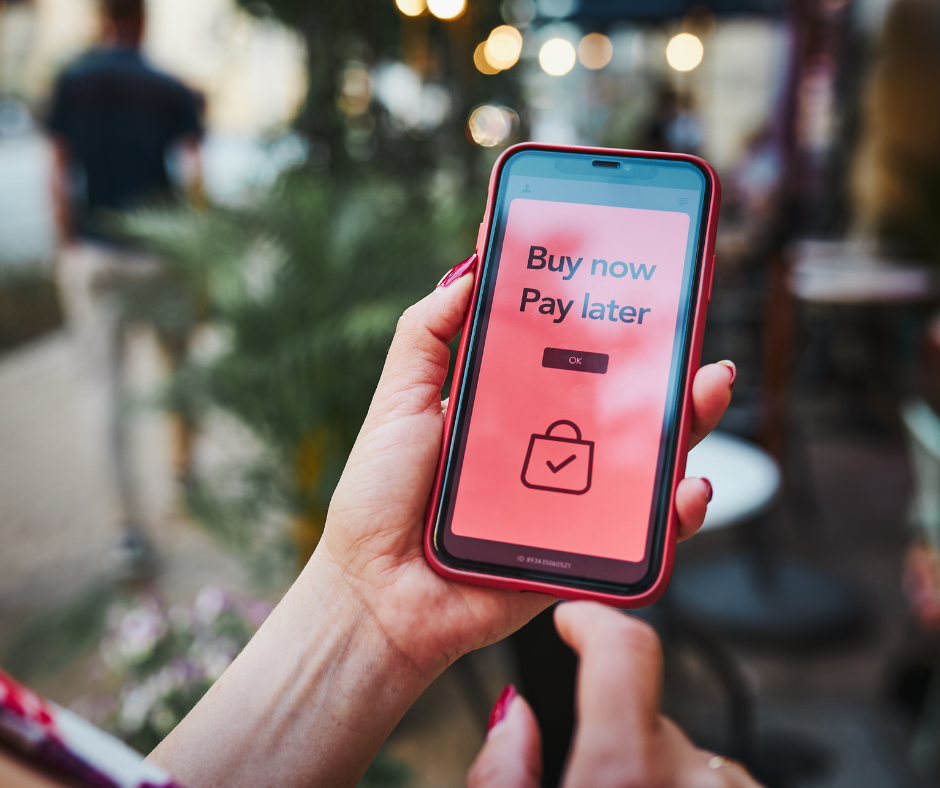
- A Buy Now Pay Later installment you overlooked
These balances are often under a few hundred dollars. Because they are small, they do not feel urgent. Because many are on autopay, you may not think about them at all.
The problem is not the amount. The problem is the lack of awareness.
How Phantom Debt Turns Into Collections
The process is surprisingly simple.
First, a payment is missed. Maybe your card expired. Maybe you changed banks. Maybe an email notification went to spam.
Next, the account becomes delinquent. If it remains unpaid, it may eventually be sent to a collection agency.
At that point, the account can be reported to the credit bureaus.
This is when consumers are blindsided. Some Buy Now Pay Later providers and subscription services do not report positive payment history at all. They may only report once an account defaults. That means your first awareness of the problem might be when it shows up as a collection.
A small $75 or $150 balance can suddenly have an outsized impact on your credit score.
Why It Is Catching So Many People Off Guard
Several trends have made phantom debt more common.
We now live in an automatic billing culture. Subscriptions, installment plans, and digital accounts operate in the background. Payments feel passive.
At the same time, many people use multiple payment platforms. One BNPL account here. A streaming service there. A fitness app somewhere else. It becomes easy to lose track.
Address changes are another major factor. If you move and forget to update a provider, final bills can be sent to the wrong address and eventually to collections.
There is also a psychological element. Small payments do not feel like real debt. Zero interest promotions can feel harmless. But lenders do not evaluate intent. They evaluate reporting data.
How Phantom Debt Impacts Your Credit Score
Once a collection account appears, it can affect your credit in several ways.
Payment history is the most heavily weighted factor in most scoring models. A collection signals risk to lenders, even if the balance is small.
It can also impact approval odds. Mortgage lenders, auto lenders, landlords, and business funders all review credit reports for recent derogatory marks. A minor collection can delay or complicate approval.
The frustrating part is that many consumers would have paid the balance immediately if they had known about it.
How to Protect Yourself From Phantom Debt
Preventing phantom debt requires proactive monitoring.
Start by reviewing all active subscriptions and installment plans at least once a quarter. Make sure payment methods are current.
Be cautious with Buy Now Pay Later services. Keep a list of active plans and due dates.
When you move, update your address with every service provider, including utilities and medical offices.
Most importantly, review your credit reports regularly. Monitoring allows you to catch small issues before they grow into larger ones.
This is where working with a professional credit team can make a difference. Many people first discover phantom debt during a credit review with Kaydem Credit Help. Our team helps clients identify questionable accounts, verify accuracy, and take the proper steps to dispute or resolve damaging items. Having experienced guidance can prevent small oversights from turning into long-term setbacks.
What to Do If Phantom Debt Is Already on Your Report
If you discover a collection you did not expect, do not ignore it.
Verify that the debt is legitimate and accurate. Request validation if necessary. If the information is incorrect, dispute it. If it is valid, explore resolution options and ensure updates are properly reflected on your credit report.
Time matters. The sooner you address it, the sooner your credit can begin to recover.
Small Balances, Big Consequences
Phantom debt is rarely dramatic. It does not usually start with financial hardship. It starts with small oversights.
In today’s digital economy, staying organized and proactive is essential. A forgotten